The Splash on Chlorine: Everything Beginners Need to Know
All About the Superhero Sanitizer
LEARN POOL CARE
Lydia | Honey Haven Home
2/19/20264 min read
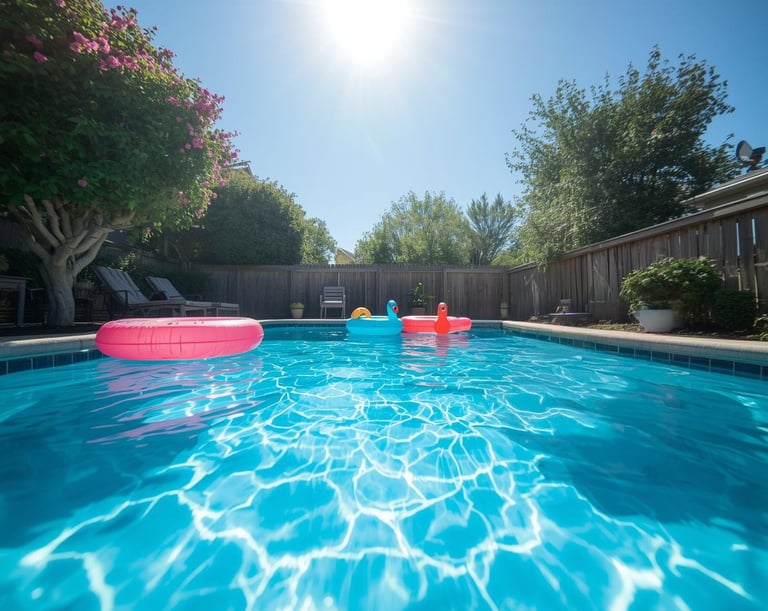
Chlorine might not be the most glamorous part of pool ownership, but it's the real MVP behind that sparkling, safe, and swim-ready water.
Without it, pools would quickly turn into murky science experiments.
Whether it's your first time maintaining a pool or you're just curious about what keeps the water so fresh, here's a fun, beginner-friendly dive into the world of chlorine!
What Chlorine Actually Does
Chlorine is the pool's superhero sanitizer. It's main job? To kill bacteria, viruses, and algae that love to hang out in warm water.
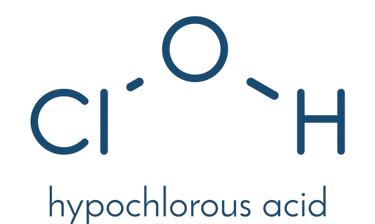
When chlorine is added to a pool, it forms a compound called hypochlorous acid, which attacks and destroys unwanted microorganisms. It also helps break down body oils, sweat, and other organic matter that swimmers bring along for the ride.
In short, chlorine keeps the water clean, clear, and safe to swim in!
What is Hypochlorous Acid?
Hypochlorous acid (HOCl) is a natural, extremely effective disinfectant produced from chlorine. It is often described as a "miracle" cleaner because it is powerful enough to kill 99.9% of germs (including bacteria, viruses, and mold) while being gentle enough to be used directly on skin, food, and around pets and children.
Your own body produces it. When you get a cut or an infection, your white blood cells (neutrophils) create HOCl to kill invading germs.
Why Chlorine is So Important
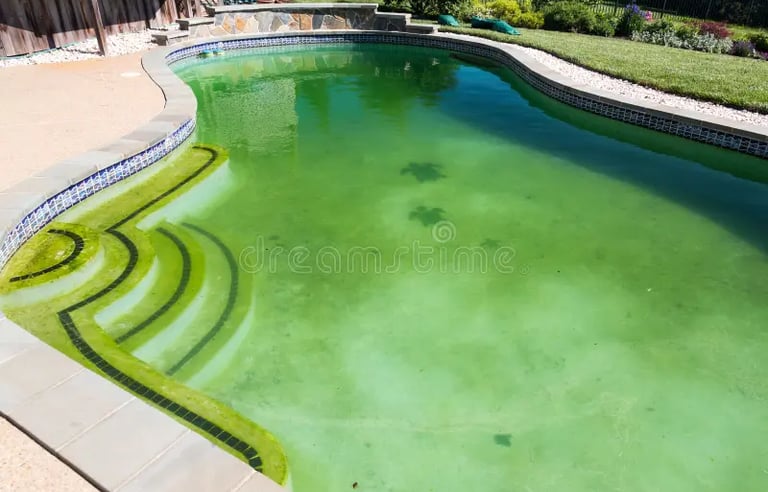
Without chlorine, pool water would quickly become cloudy, smelly, and unsafe. It prevents:
Bacteria growth that can cause illness
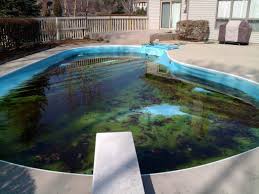
Algae blooms that turn water green and slimy
Unpleasant odors from organic buildup
Eye and skin irritation caused by imbalanced water
Think of chlorine as the pool's immune system - it constantly works behind the scenes to keep everything balanced and healthy.
The Ideal Chlorine Range
For most pools, the sweet spot for chlorine levels is 1.0-3.0 parts per million (ppm).
Below 1.0 ppm: Not enough sanitizer - bacteria and algae can thrive.
Above 3.0 ppm: Too much chlorine can cause irritation to skin and eyes.
Regular testing helps keep chlorine levels in check and ensures the water stays comfortable and safe.
Preventative Maintenance
While the "ideal" range for chlorine levels is 1.0-3.0 ppm, some pool owners, myself included, maintain a slightly higher level (4-5 ppm) during hot weather, heavy usage, or to prevent algae.
This is generally considered fine, and is safe.
The Different Forms of Chlorine
Chlorine comes in several forms, each with it's own personality, perks, and quirks. Here's a breakdown of the most common types:
Trichlor (Chlorine Tablets)
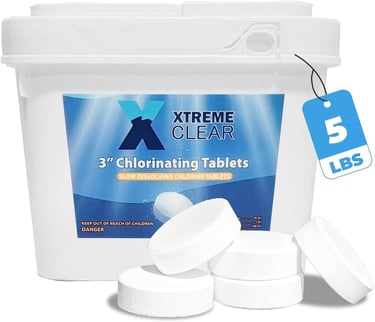
Best for: Regular maintenance and slow, steady sanitizing.
How it works: Tablets dissolve slowly, releasing chlorine over time. They're often placed in a floating dispenser or automatic chlorinator.
Pros:
Convenient and easy to use
Long-lasting and consistent
Contains stabilizer (cyanuric acid) to protect chlorine from sunlight
Cons:
Can lower pH and alkalinity over time
Adds stabilizer (cyanuric acid), which can build up and reduce chlorine effectiveness if not monitored
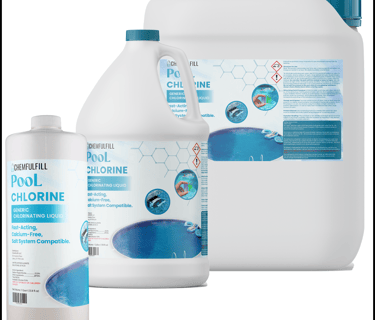
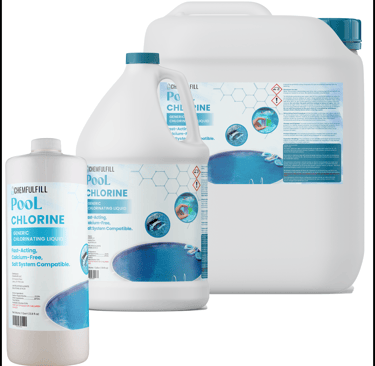
Liquid Chlorine (Sodium Hypochlorite)
Best for: Large pools or frequent adjustments.
How it works: Poured directly into the pool or added through an automatic feeder.
Pros:
Inexpensive and widely available
No stabilizer (cyanuric acid) buildup
Works quickly
Cons:
Short shelf life - loses strength over time
Can raise pH, requiring acid adjustments
Bulky and heavy to store
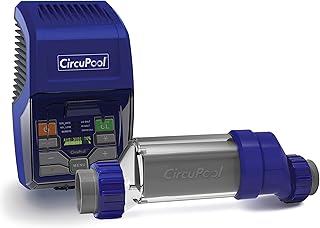
Saltwater Chlorine Generators
Best for: Those who want a "softer" swimming experience.
How it works: A salt cell converts salt in the water into chlorine through electrolysis.
Pros:
Gentle on skin, eyes, and swimsuits
Constant, low-level chlorination
Less chemical handling
Cons:
Higher upfront cost for equipment
Salt can corrode metal parts if not maintained properly
Still requires monitoring of chlorine and pH levels
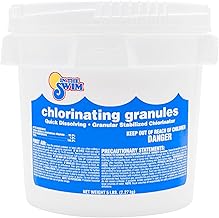
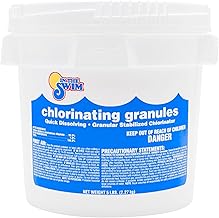
Dichlor or Cal-Hypo (Granular Chlorine)
Best for: Quick boosts or shock treatments.
How it works: Granules dissolve quickly when sprinkled directly into the pool or pre-dissolved in a bucket of pool water.
Pros:
Fast-acting and powerful
Great for shocking the pool after heavy use or rain
Easy to measure and apply
Cons:
Dichlor adds stabilizer (cyanuric acid), which can build up
Cal-hypo can raise calcium hardness, leading to scaling if overused
Needs careful handling to avoid bleaching pool surfaces
Choosing the Right Chlorine for Your Pool
The best chlorine type depends on the pool's size, usage, and maintenance style.
For convenience: Tablets are the go-to choice.
For flexibility: Granular chlorine offers quick control.
For Large pools: Liquid chlorine is cost-effective.
For comfort: Saltwater systems provide a luxurious feel.
Mixing and matching methods can also work - many pool owners use a combination of sanitizers.
My Personal Choice (and many other pool owners)...
Liquid chlorine. The unsung hero of pool perfection.
Read More Here:
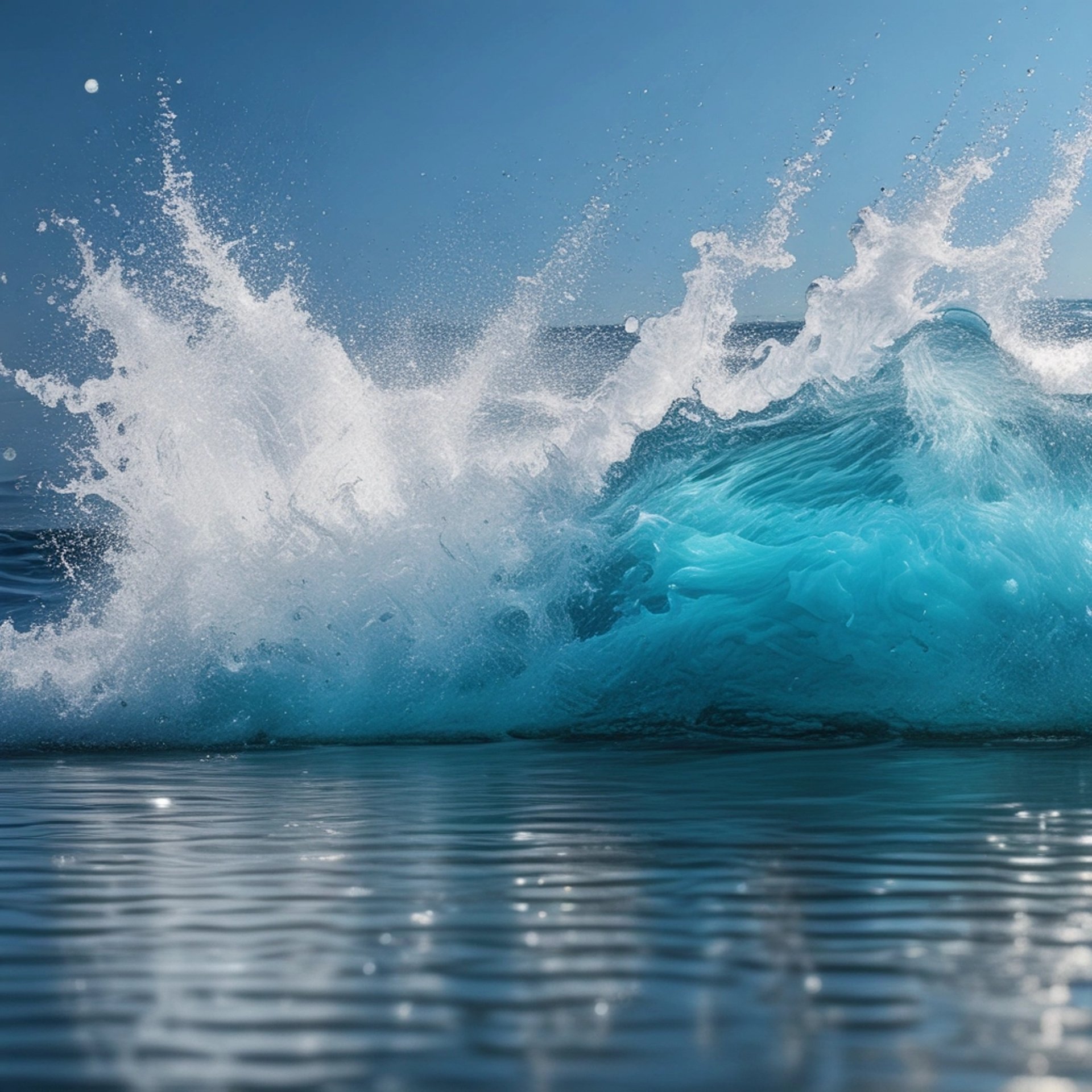
Final Splash
Chlorine might not get the spotlight, but it's the reason pools stay clean, clear, and inviting.
Understanding how it works - and which type fits best - makes pool care easier and more enjoyable.
With the right balance, chlorine does all the hard work, leaving swimmers free to float, splash, and soak up the sunshine!
Want everything you need to care for your pool in one printable ebook you can keep poolside?
Navigation
Honey Haven Home
Simple pool care. Cozy backyard living. Confidence for beginners.
© 2026 Honey Haven Home. All rights reserved.